گلچینی از سرودهها
Featured Poems

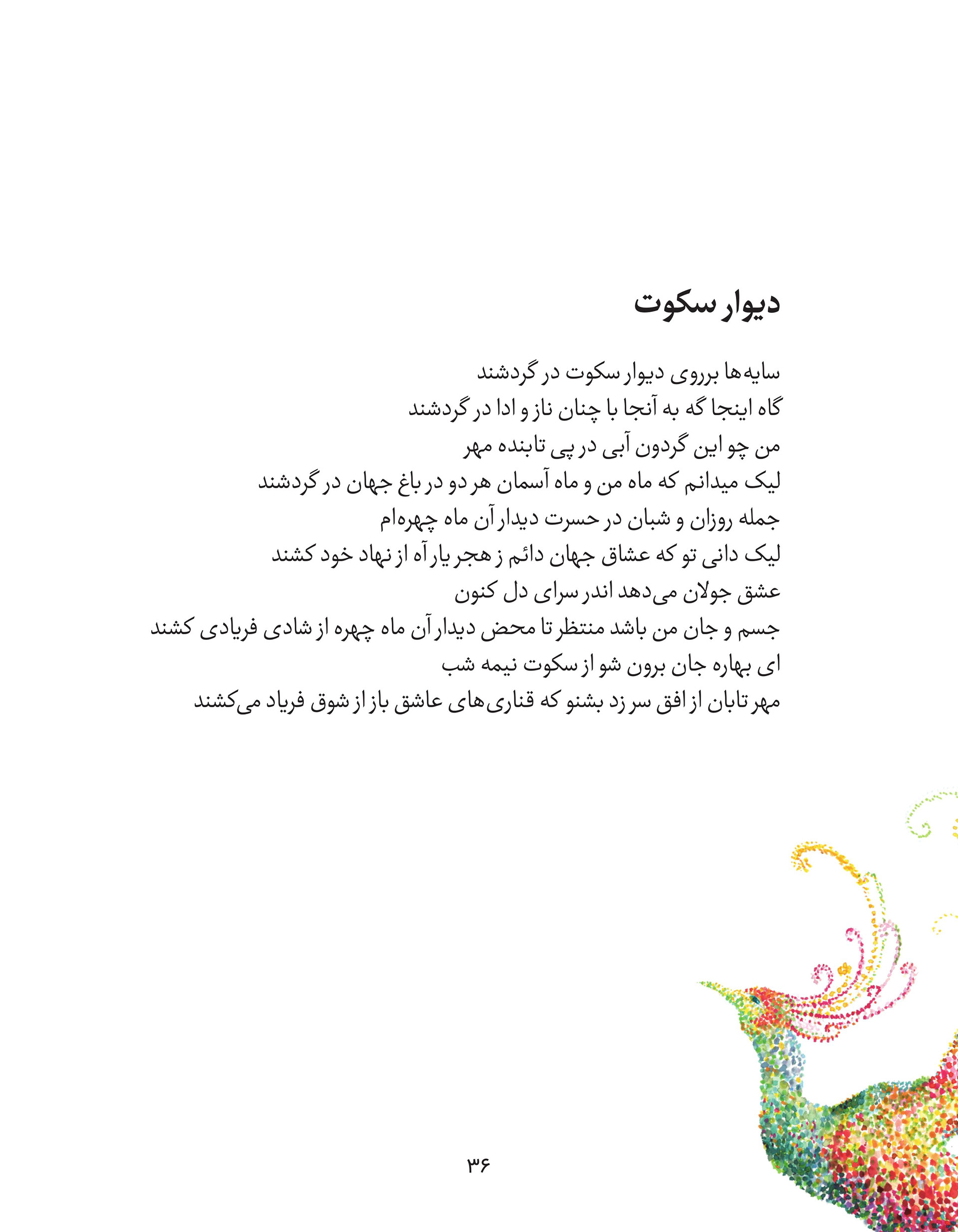


کتاب کامل را بخوانید
Read the Full Book
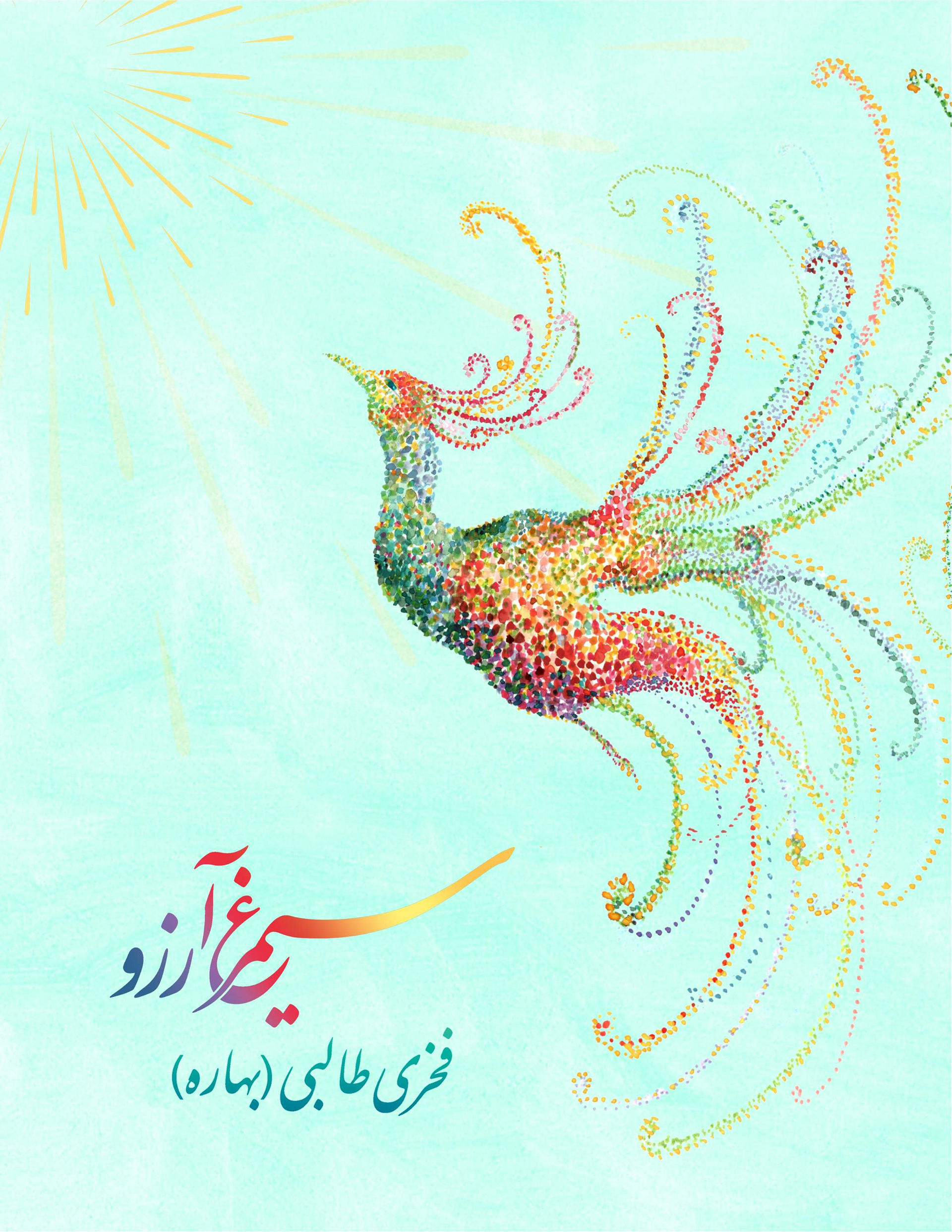
سیمرغ آرزو
گاهی آنچه در تمام عمر در جستوجویش هستیم، پرندهای نیست که باید از دوردستها بازگردد؛ پرندهایست که در سکوتِ جان، سالهاست بالهای خود را گشوده است
در چهارمین کتاب، سیمرغ آرزو، فخری طالبی ما را به باغی میبرد که در هیچ نقشهای پیدا نمیشود؛ باغی در درونِ انسان، جایی که تن به گلستان بدل میشود، دل خانهای برای حضورِ دوست، و انتظار، راهی برای دیدار
اینجا شاعر کلید باغ را به دست خود میگیرد؛ در را به روی خویش میگشاید و از میان نیلوفرها، شمعها، سپیدهدمها و سکوت، به سوی آن پرندهی دیرآشنا میرود؛ سیمرغی که شاید بیش از آنکه در آسمان باشد، در لحظهای پدیدار میشود که انسان از مرزهای «من» عبور میکند
زیبایی این دفتر در همین سفر است: سفری از خود به خویشتن، از «ما و منی» به رهایی، از جستوجوی دیگری به کشفِ آنچه از آغاز در خانهی دل حضور داشته است
شاید آرزو، در نهایت، رسیدن به جایی دیگر نباشد
شاید آرزو همان بالیست که در لحظهی خواستن گشوده میشود
و شاید سیمرغ، همان لحظهایست که دیگر در پیِ پرنده نیستیم؛
بلکه درمییابیم که خود، در تمام این راه، در پرواز بودهایم
بلکه درمییابیم که خود، در تمام این راه، در پرواز بودهایم
The Simorgh of Longing
The Simorgh, the legendary bird of Persian literature, has long been a symbol of the soul’s search for truth and its journey toward itself.
Sometimes what we spend a lifetime searching for is not a bird that must return from some distant place, but a bird that, in the quiet of the soul, has been unfolding its wings all along.
In the forth book, The Simorgh of Longing, Fakhri Talebi leads us into a garden that cannot be found on any map—a garden within the human being, where the body becomes a field of flowers, the heart becomes a dwelling place for the beloved, and waiting becomes a path toward encounter.
Here, the poet takes the key to the garden into her own hands. She opens the door inward, and among water lilies, candles, dawns, and silences, she journeys toward that long-familiar bird—the Simorgh—which may dwell not so much in the heavens as in the moment when we cross the boundaries of the self.
This is the beauty of the journey at the heart of this collection: a journey from the self toward the deeper self, from the confines of “me and mine” toward freedom, from searching for another to discovering what has been present in the house of the heart from the beginning.
Perhaps longing, in the end, is not about arriving somewhere else.
Perhaps longing is the wing that opens the very moment we begin to desire.
And perhaps the Simorgh is the moment when we no longer search for the bird—
but realize that we ourselves have been in flight all along.
تمامی سرودهها و تصاویر © فخری طالبی. تمامی حقوق محفوظ است.
عکس سربرگ: Zetong Li / Unsplash
عکس سربرگ: Zetong Li / Unsplash
All poems and imagery © Fakhri Talebi. All rights reserved.
Header photo by Zetong Li / Unsplash.
Header photo by Zetong Li / Unsplash.